Light, Form & Origin
Three projects from a period I look back on with a particular kind of fondness — the years of my bachelor's degree, when design was still a terrain I was actively learning to navigate rather than a language I had already absorbed. The work is uneven in places. I see things now that I would do differently. But the questions being asked were genuine ones, and some of them I am still asking.
All three grew from the same source: an attentiveness to Chinese culture and aesthetics that I carry as someone who grew up in China and studied in Europe. Not a direct translation — more an internal conversation. About the way a classical Chinese garden uses borrowed scenery and shadow as deliberate elements of design. About the quality of time in a room where light is treated as material. About what form communicates when it has no instructions to give.
Light, form, and aesthetics — this is where I have always found my footing as a designer. These early projects are where I first understood that.
Eternal Now
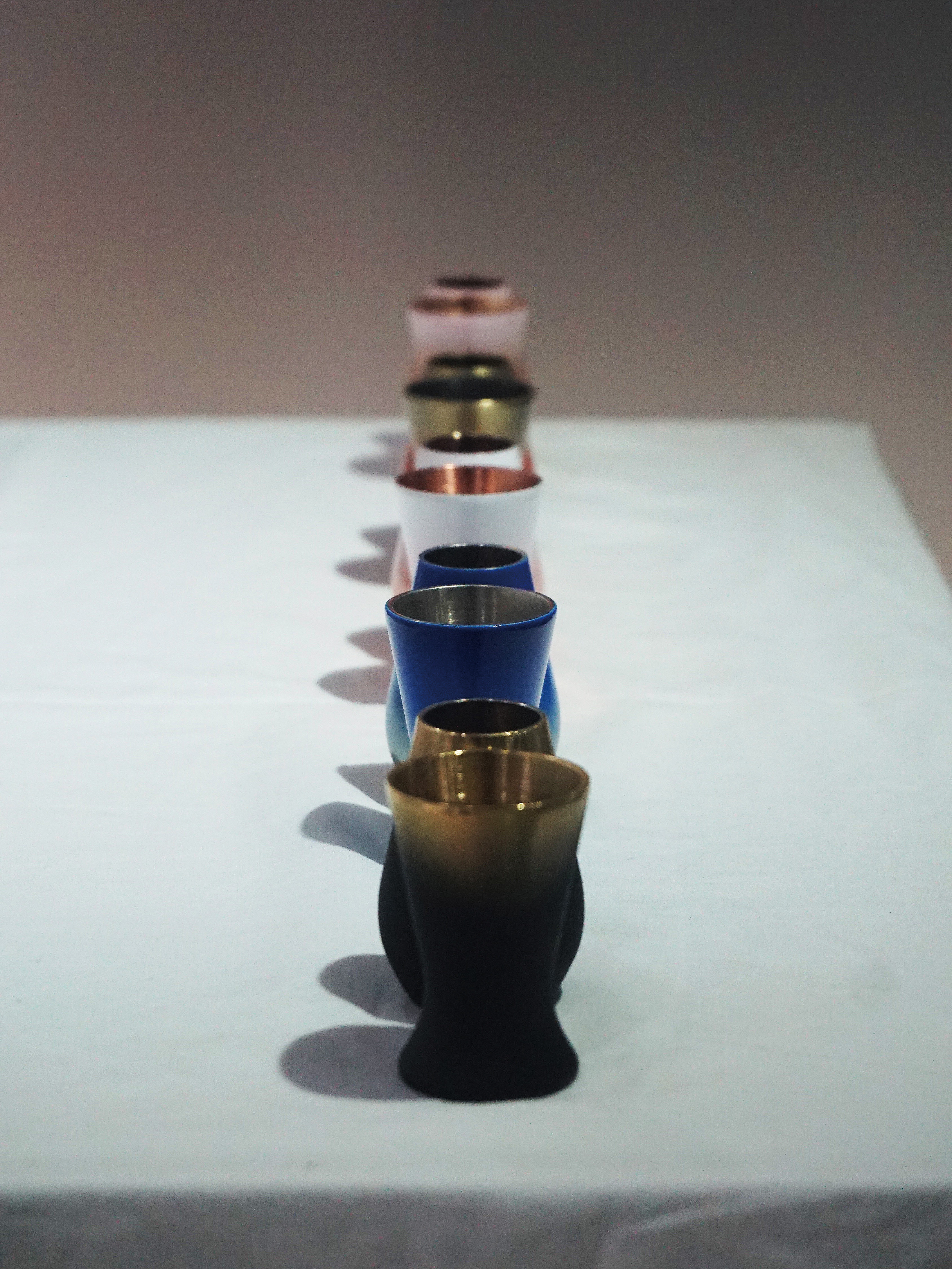
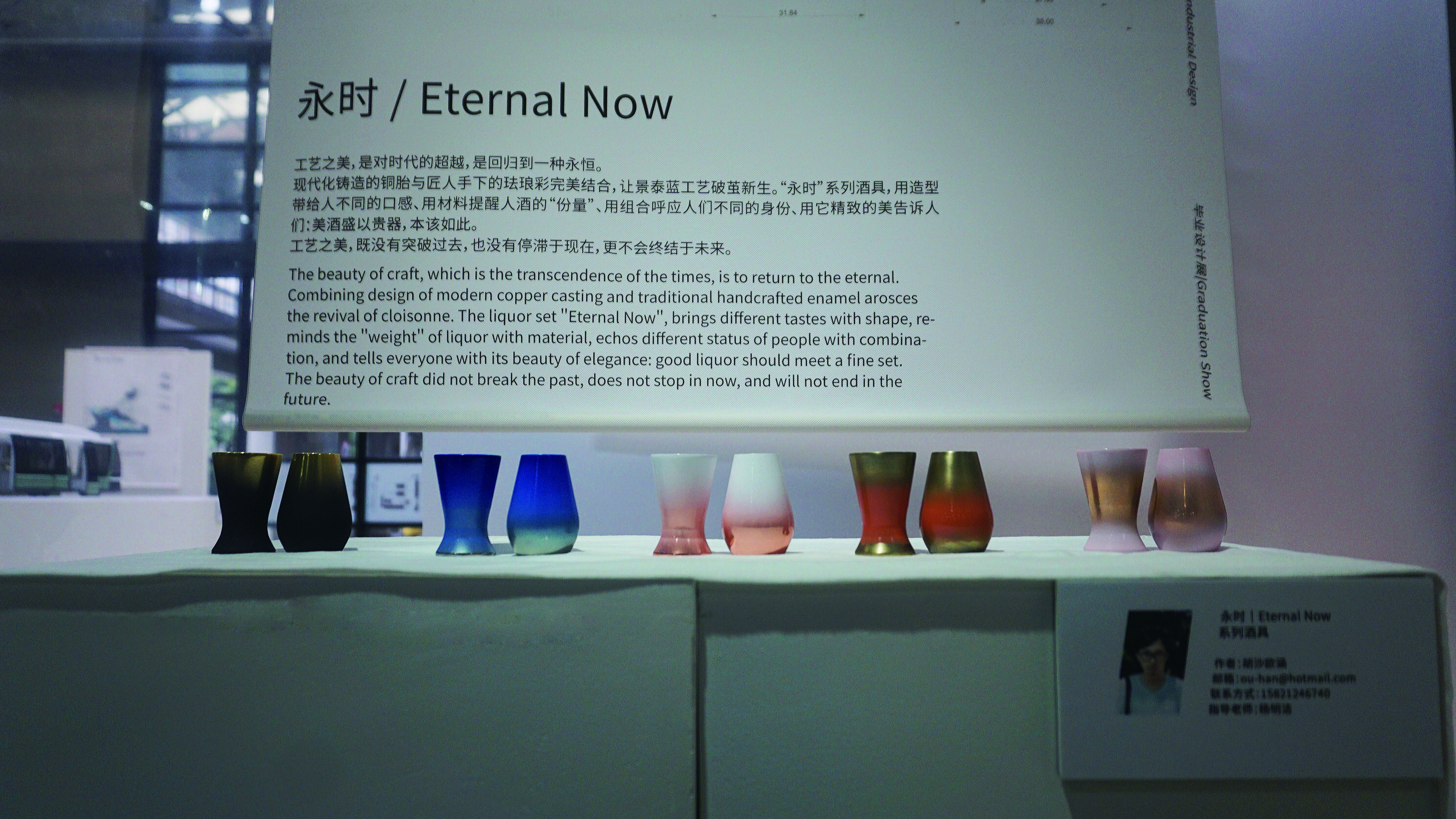
Eternal Now is a conceptual design that sits at the intersection of philosophy and form. Its name comes from a thought that runs through both Chinese and Western traditions: that the present moment is the only moment that truly exists, and that the work of perception is to inhabit it fully.
The design asks what an object looks like if its purpose is not to perform a function but to slow down time. To bring someone, briefly, into awareness of where and when they are. It was an early attempt at what I would later come to understand as one of design's deeper possibilities — the capacity to shape how we experience the present.
Lightable
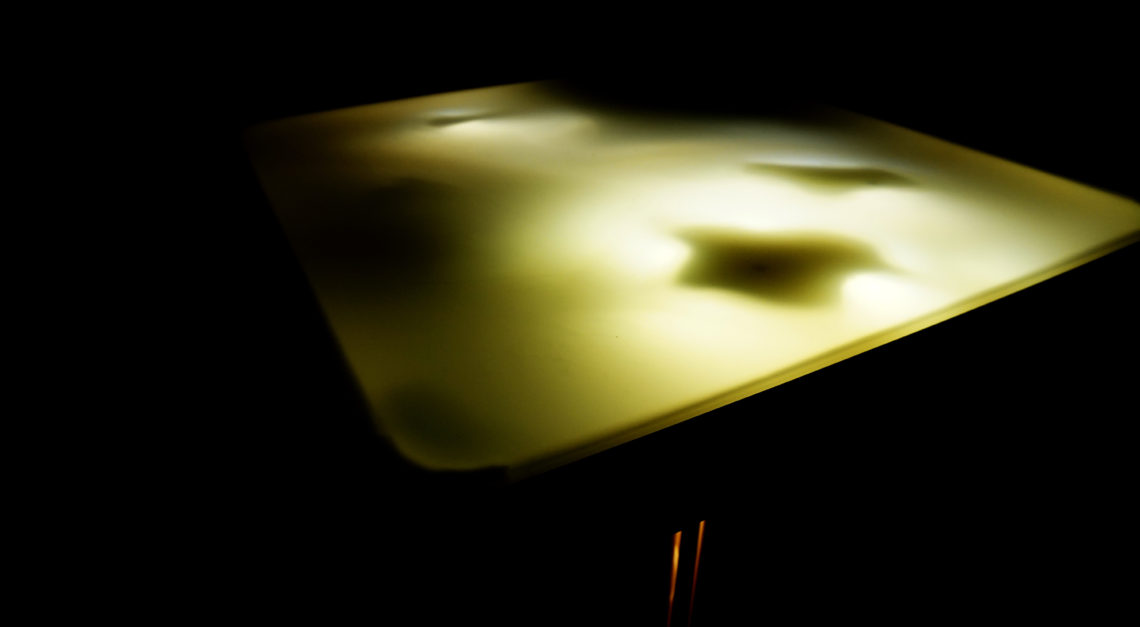
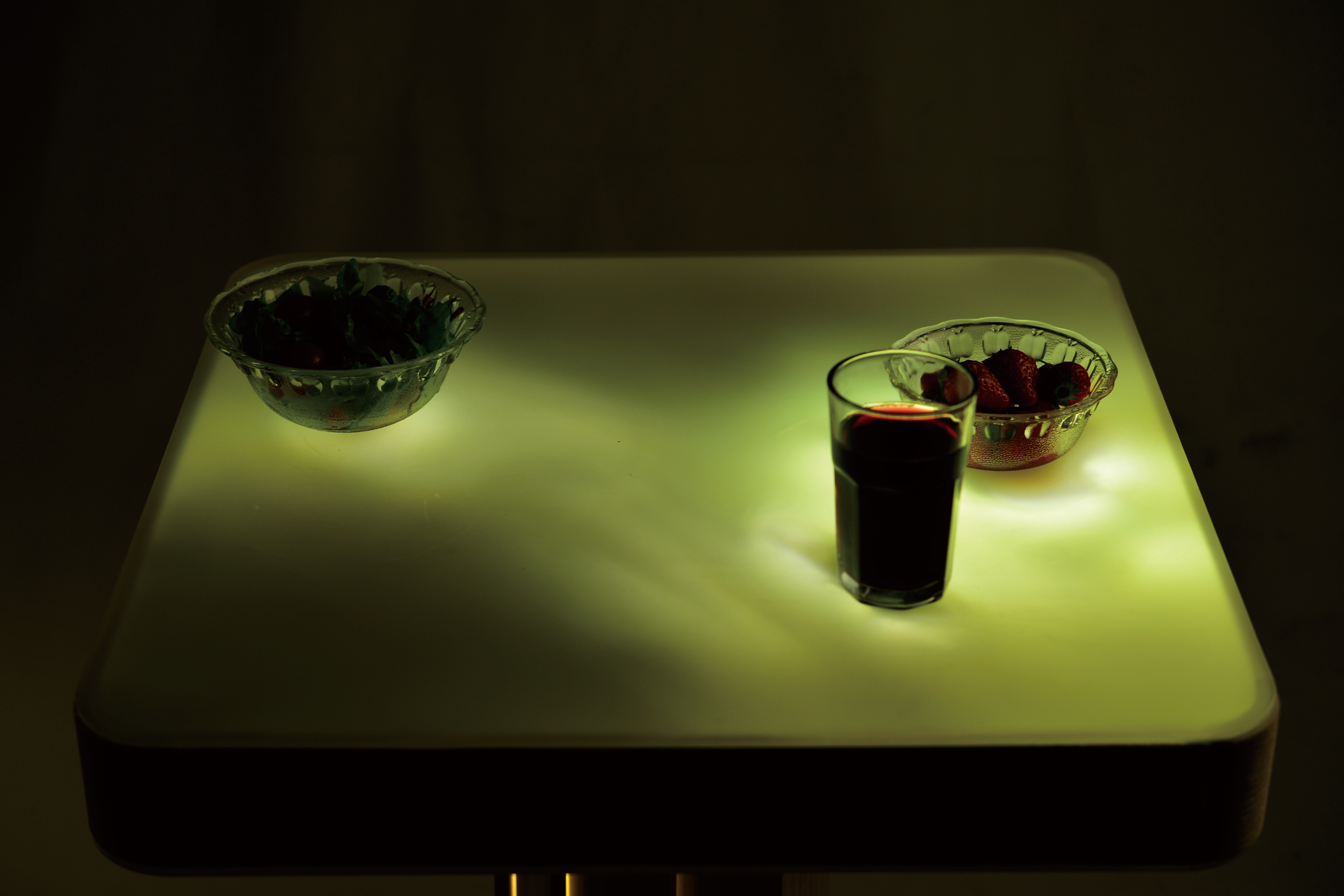
In Chinese interior aesthetics, light is rarely treated as pure utility. It is something with weight and direction — something that lands on surfaces and shapes a room rather than simply filling it. This was the observation that started Lightable.
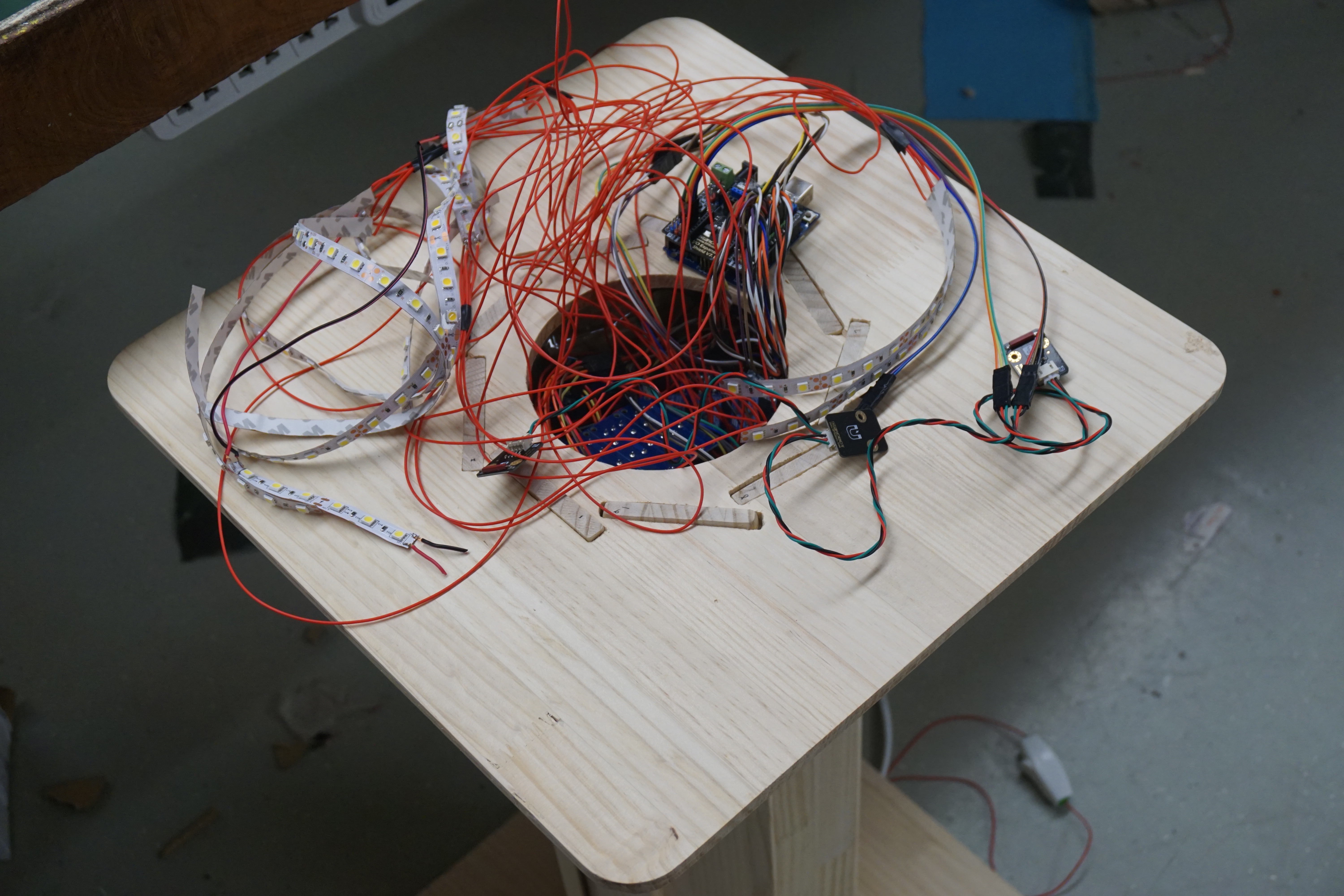
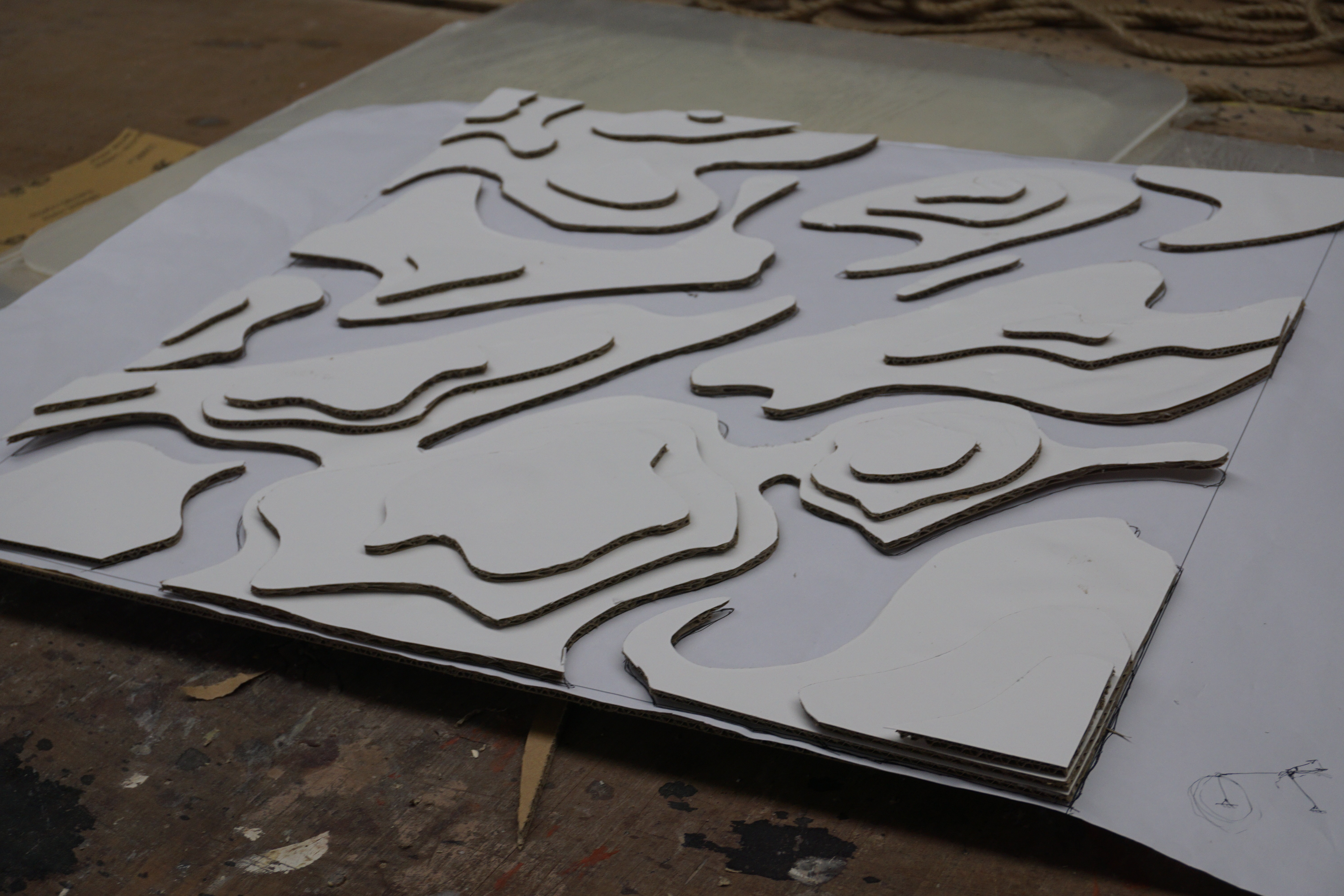
A modular lighting system designed for adaptability: not just of configuration, but of quality. Different assemblies produce different kinds of illumination — focused or diffuse, intimate or expansive. The table and the light are inseparable. One makes the other possible. The name holds both.
Shaking Shadow
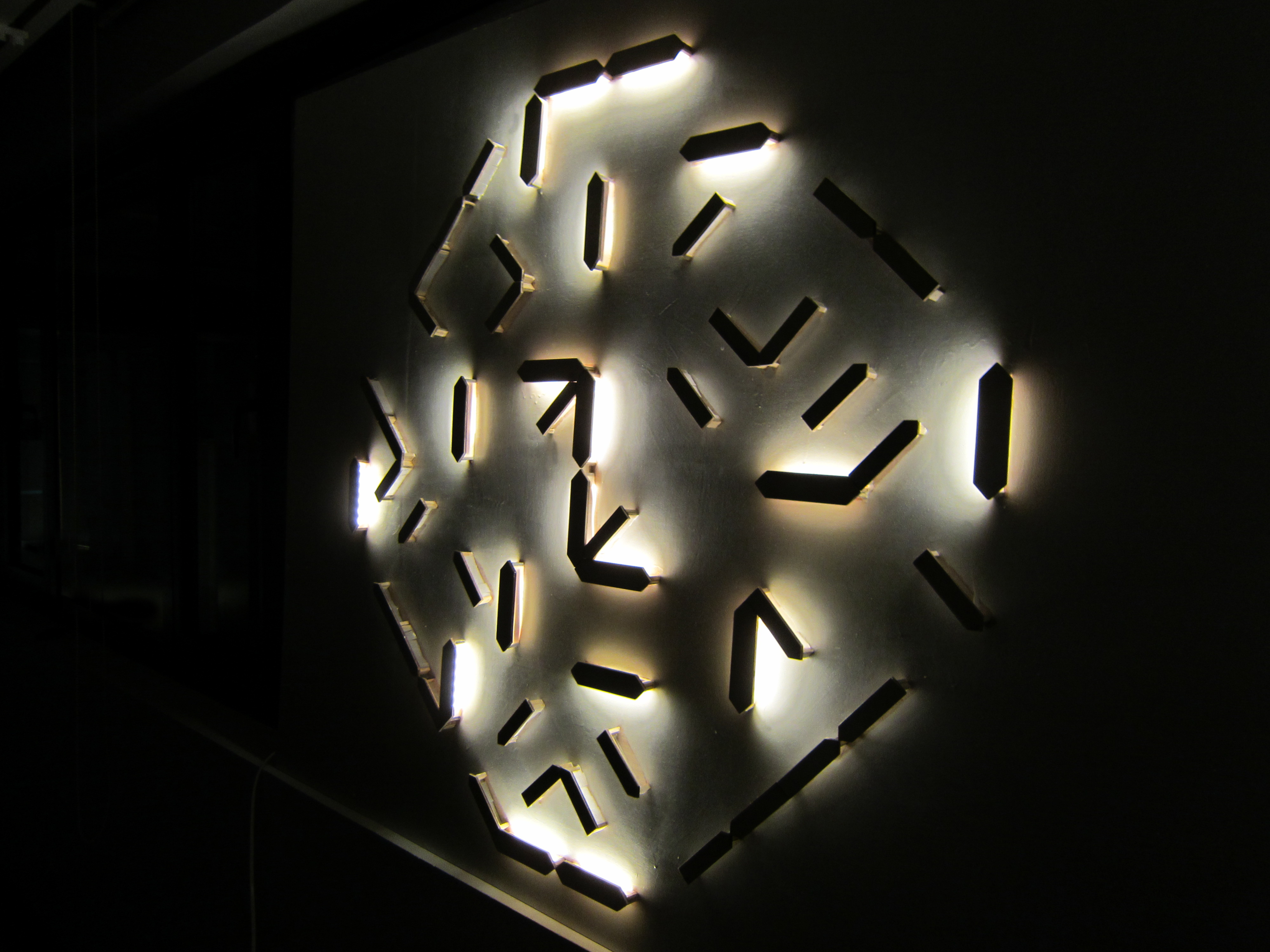
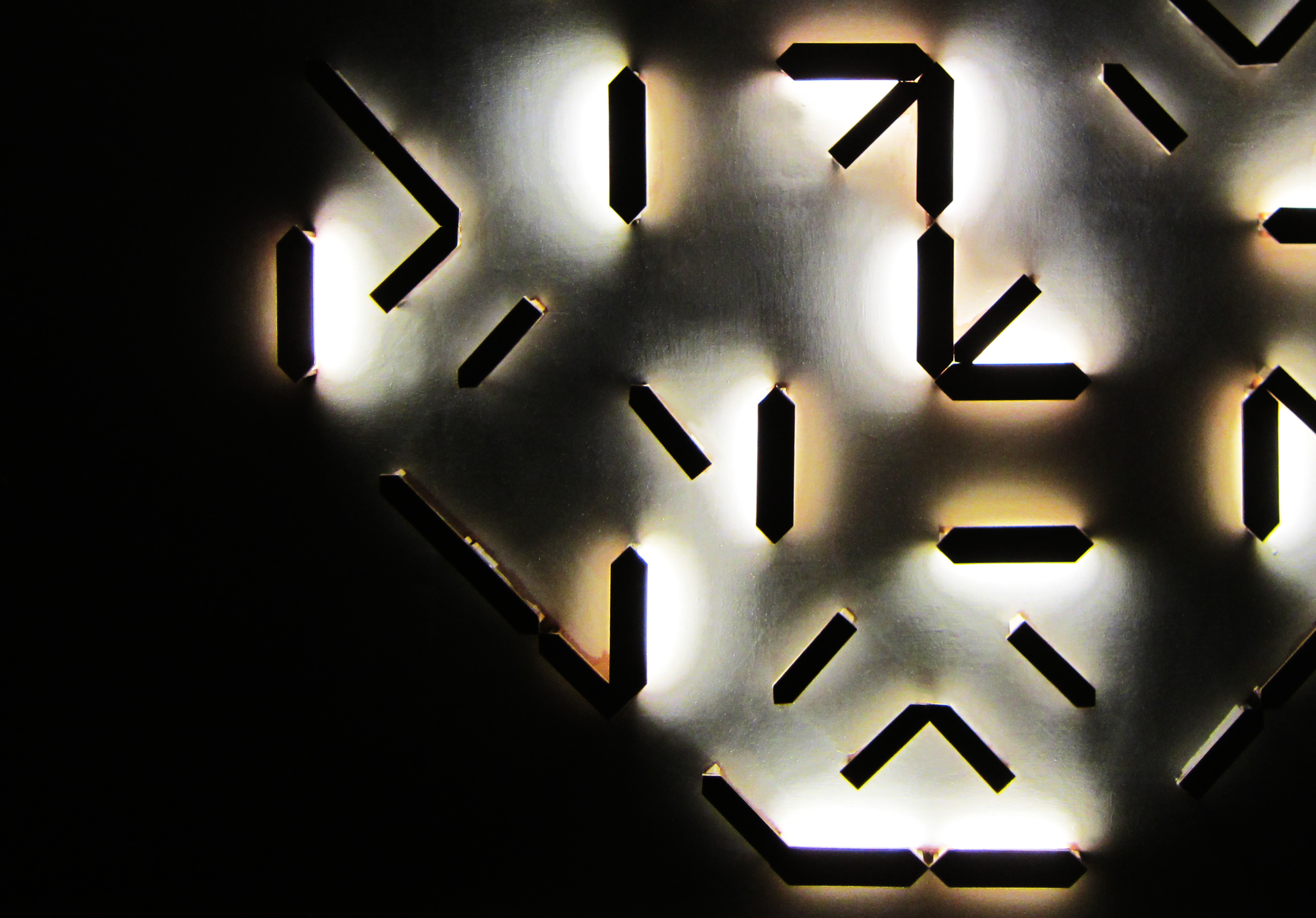
The hua chuang — the ornamental windows of the classical Chinese garden — are not designed to be transparent. They are compositions: geometric patterns that frame a view and cast shadows as deliberate as the light itself. A visitor moves through the garden and the shadows shift with them.
Shaking Shadow takes this as its structural principle. A modular lighting installation that can be assembled and reassembled into different configurations, each casting a different pattern of light and shadow across surrounding surfaces. The shadow is not a byproduct of the object. The shadow is the object.