Learning to Look
Two projects from my bachelor years in industrial design, both beginning with the same act: watching someone try to do something ordinary, and noticing where the object was working against them. Neither solution is technically sophisticated. Both are, in hindsight, a little naive. But they taught me something that no brief or lecture had yet managed to — that the most useful thing a designer can do, before any sketching begins, is simply pay careful attention.
What strikes me looking back is not the quality of the work but the instinct behind it. Both times, the idea came not from a formal research process but from a moment of recognition — the quiet realisation that a real person was being quietly failed by something that could have been designed better. That instinct, I have come to understand, is the beginning of every good design project.
AiC
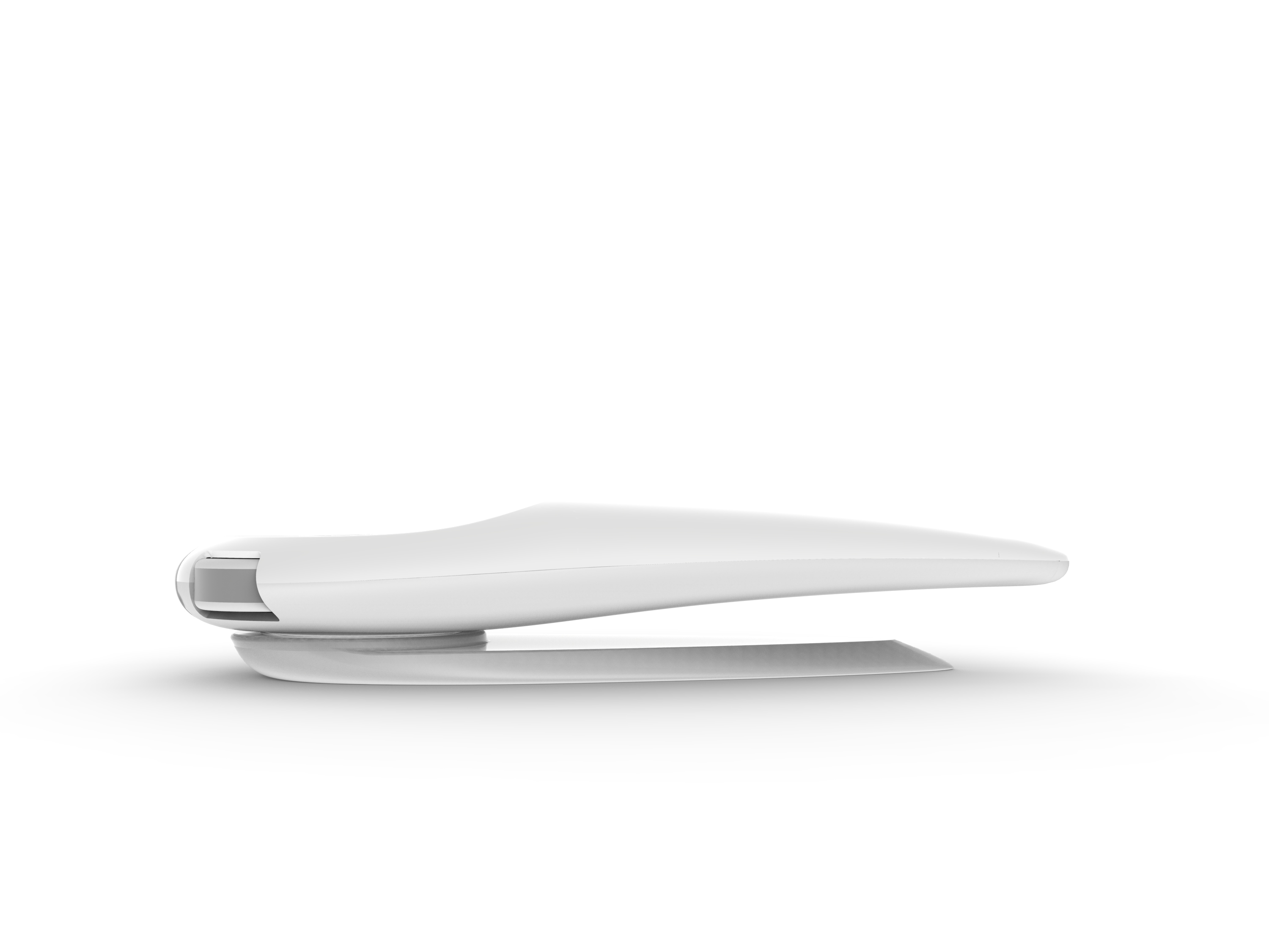
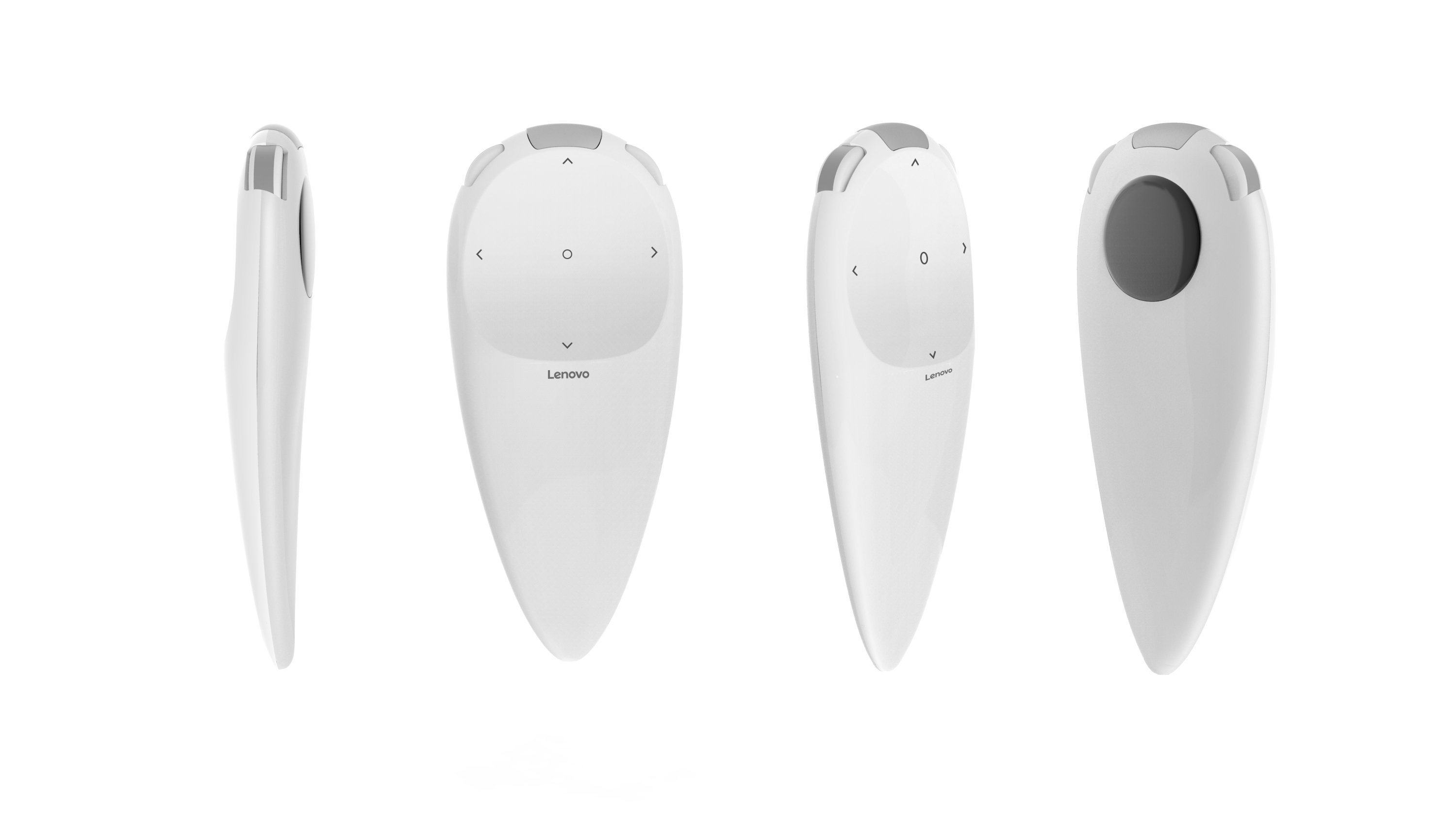
In professional workflows, keyboard shortcuts are indispensable — and inconsistent. A shortcut that executes one action in Photoshop executes a different one in Illustrator, and another still in Premiere. For designers, developers, and editors who move between applications dozens of times a day, this fragmentation creates invisible friction: a moment of hesitation, a learned muscle memory that is suddenly wrong, a small interruption that compounds across an entire working day.
AiC proposed a physical control accessory — a unified interface that could translate software-specific shortcut logic into a single consistent layer, regardless of which application was active. One gesture, reliably mapped. The response at the time was polite scepticism: keyboards already existed, the problem seemed marginal. Within a few years, products solving almost exactly this problem had appeared on the market. The observation had been correct. The timing was simply a few years early — which, for a student project, I still find quietly satisfying.
INDAL
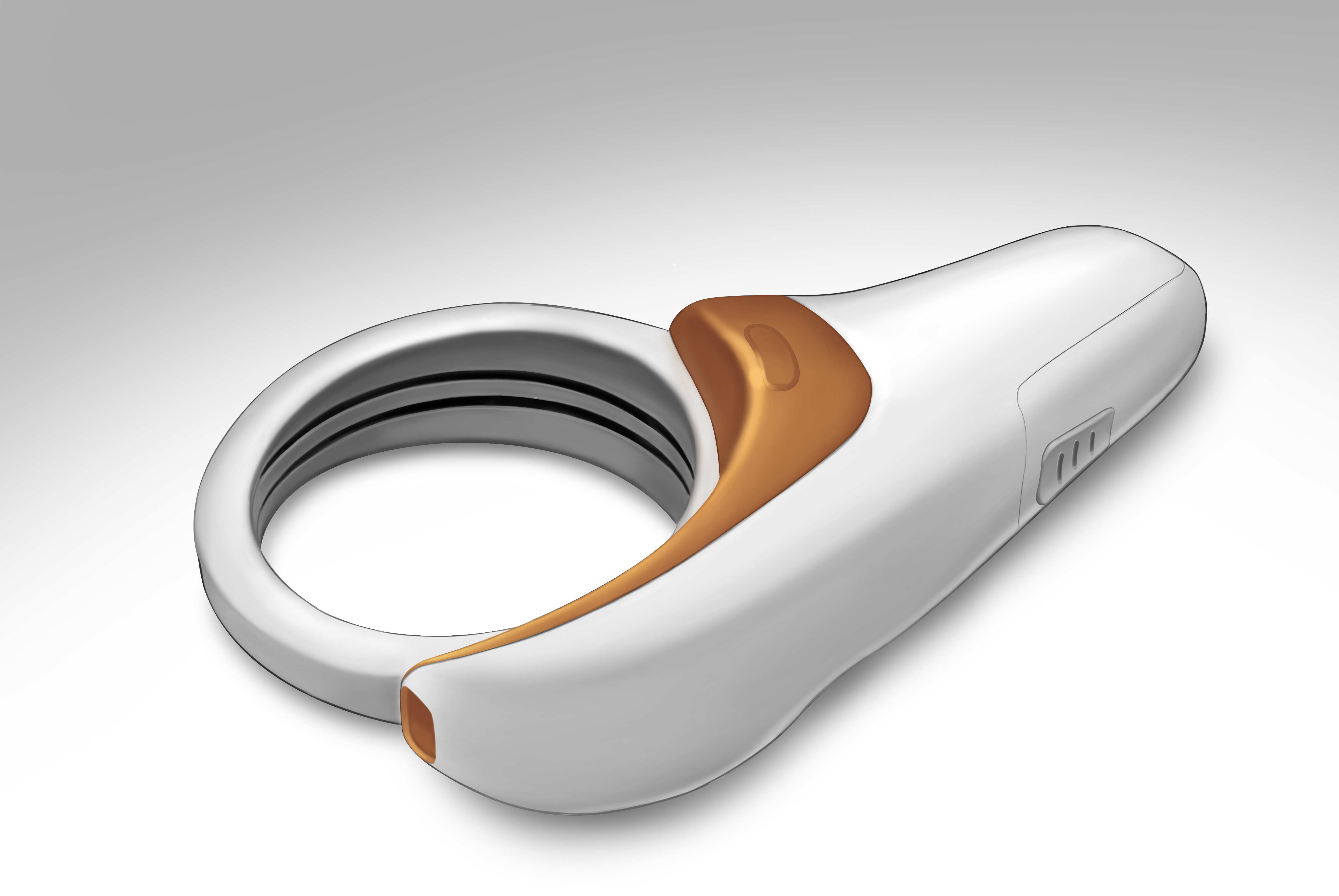
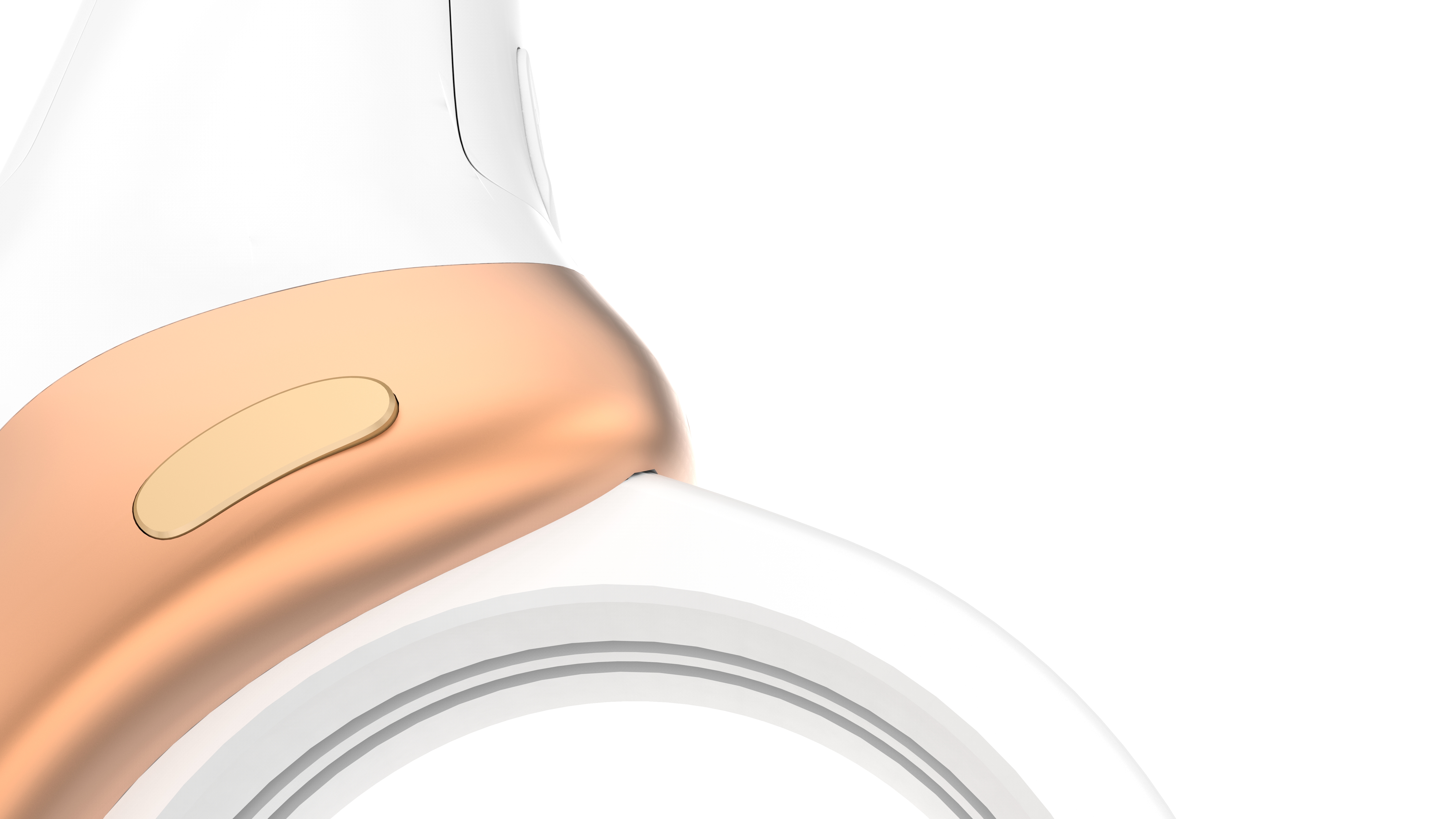
The starting observation was straightforward: opening jars, bottles, and vacuum-sealed packaging is often genuinely difficult — not because the person lacks strength, but because common closures are designed around grip strength and leverage that not everyone has. For someone living alone, this creates a small but persistent helplessness: the thing you bought cannot be opened without asking someone for help.
INDAL is a bottle and container opener designed for exactly this situation — a tool that mechanically redistributes the effort required, so that independence in a small domestic act is no longer contingent on hand strength. The design is direct and unpretentious. It does one thing and does it without requiring explanation.
The project is technically simple, and I can see that clearly now. What I value in it is not the solution but the moment of noticing: that a particular group of users — women living alone — were being consistently underserved by objects that had been designed, implicitly, for someone else. Learning to see that kind of gap is a different skill from learning to fill it, and arguably the more important one.